
Vastu Tips for Indoor Greenery to Bring Good Energy into Your Home
By prabin dangol | Feb 23, 2026
Do you know that keeping the right plants inside your residential area brings happiness and good energy? As per Vastu Shastra, the ancient Indian science of architecture, plants have a big role in building a tranquil, positive environment. Let's learn some simple Vastu tips for choosing and placing indoor greenery!
Vastu Tips for Indoor Greenery
The best tips and guidelines on how to maximize the indoor greenery while also following the vastu rules.
1. Choose Lively Plants
These include varieties like the ‘money plant’, ‘bamboo’, and ‘peace lily’. Vastu Shastra terms them as the most fortunate plants, capable of carrying health, prosperity, and peace to your home. Choose those kinds of plants that grow easily indoors and whose leaves are fresh green in color. This way, with every glimpse at them, you'll feel refreshed and jovial.
2. Keep Thorny Plants Away
Thorny plants, especially cacti, are taboo for indoors. As per Vastu, such thorny plants invite negative energy and tension into the house. Hence, it is advisable to avoid such plants inside your home. Instead, go for soft, non-thorny plants like the ‘areca palm’ or ‘snake plant’.
3. East or North is the Best Direction
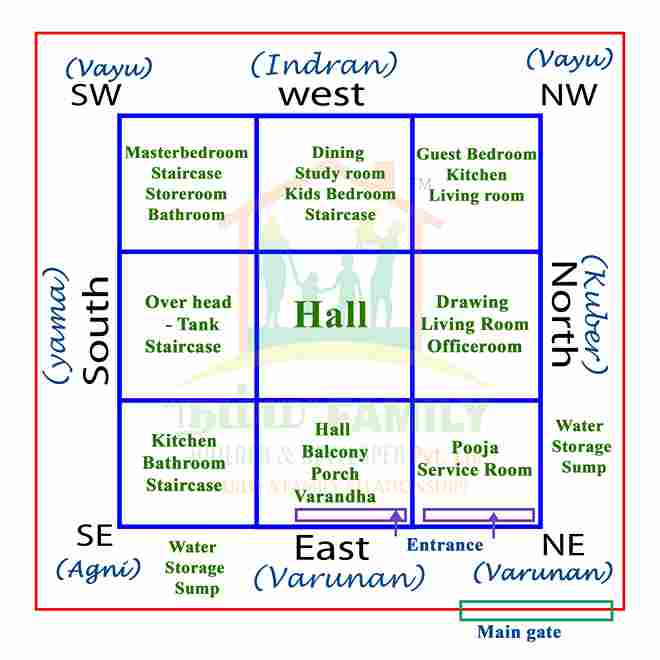
According to Vastu, the indoor plants are best placed in the east or north direction of your house. It not only provides ample sunlight to the plants but also invites good energy into the house, it is believed. For instance, the Tulsi plant is best placed in the north or east direction for maximum benefit.
4. Keep the Plants Healthy
Indoor plants should be healthy and green. A dying or parched plant does bring in negative energy inside your house, indeed. You should also take good care of the plants; make sure to water them regularly and pick off dead leaves. A thriving plant brings in positive vibes and makes one feel at home alive.
5. Use Small Pots Indoors
Take small pots when planting indoors. According to Vastu, a small plant in a small pot is good for indoors since it will fit in any area and will have minimal effect on the flow of energy in the space. Large plants in small rooms make the rooms appear congested.
6. Best Indoor Plants for Air Quality
These plants bring in positive energy but at the same time work towards the improvement of air quality by drawing noxious chemicals out of the air and leaving it fresh, clean, and healthy to breathe. Clean air within the home brings in positive energy.
7. Water Plants Regularly
Watering your plants is vital for their survival and health. The water element of Vastu provides the connection to growth and flow. When you water your plants, you are helping the energy in your home to flow freely. However, ensure you do not overwater the plants; your excess amount of water may result in loss to the plants.
8. Place Plants in Living and Study Rooms
These may be placed in the ‘living room’ or ‘study room’ to generate a tranquil effect. As per Vastu, plants should be put on premises where the family members remain for the maximum time so that their stress can be reduced and they have better concentration for everything and feel relaxed. Hence, plants help people get more relaxed and reduce their stress.
9. Plants in the Bedroom? Beware!
While plants are great in the house, Vastu does suggest some caution when it comes to putting plants in the bedroom. Too many plants interfere with the energy flow; this is more true at night, during which time plants emit carbon dioxide. If you want to keep a plant in the bedroom, it should be a small plant, like a ‘peace lily’ or ‘lavender’.
10. Greenery at the Entrance
The entrance of your house is the entrance for energy. Keeping green plants near the entrance brings in good fortune and invites positive energy inside. According to Vastu, keeping lucky plants like a ‘bamboo’ or ‘money plant’ near the entrance invites positivity inside.
Conclusion
Indoor plants may bring not only beauty into your home but also peace and good energy if kept in a Vastu-oriented way. Choose the right plants, place them in the best direction, and care for them regularly. Follow these few simple tips and create a happy and positive atmosphere in your home.
FAQs
Frequently asked questions about vastu and indoor plantings.
1. What is Vastu Shastra?
Vastu Shastra deals with ancient Indian science that builds up positive energy inside a home or building with proper design and placement.
2. Which plants are considered lucky according to Vastu?
Plants like the money plant, bamboo, and peace lily are considered lucky and bring health and prosperity into the home.
3. Why should I avoid thorny plants indoors?
It is believed that thorny plants, such as the cactus plant, invite negative energy, therefore it should be avoided inside the house.
4. What is the Perfect Direction to Keep Indoor Plants as per Vastu?
The ideal direction to keep indoor plants to invite maximum positivity in your home is either in the east or the north.
5. What if My Plants Wither Away or Die?
This will help avoid dead or shriveled plants, which can promote negative energy; one must always get rid of such plants and keep healthy plants.
6. Can I put plants in my bedroom?
One must avoid placing a lot of plants in the bedroom, but small plants like peace lily or lavender can be placed in a corner.
7. How do indoor plants purify the air?
Aloe vera plants, snake plants, and spider plants purify the air by pulling harmful chemicals out of the air, thus making breathing easier.
8. What benefits do placing plants at the entrance of my home carry?
Placing them at the entryway brings good luck and positive energy to your home, therefore welcoming.
9. How often should I water indoor plants?
Water your plants regularly, but be cautious not to give them too much water, as this may hurt the plants.
10. Why little pots are preferred indoors for the flowers?
Little pots are less trouble indoors and block nothing in the little rooms, facilitating positive energy flow.

Related Blogs

